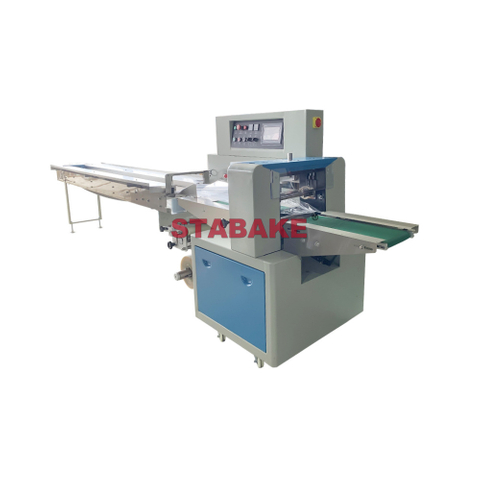
Are you curious about the future of food processing equipment? The market is evolving rapidly, driven by innovation and consumer demands. In this article, we'll explore key trends shaping the food processing equipment landscape for 2026. You'll learn about automation, sustainability, and technological advancements transforming the industry.
Table of Contents
Toggle
Current Trends in Food Processing Equipment for 2026
Automation and Robotics in Food Processing Equipment
The food processing industry is rapidly embracing automation and robotics to enhance efficiency and productivity. Automated systems are becoming essential as labor shortages challenge traditional manufacturing methods. Robotics are increasingly utilized for tasks such as packaging, sorting, and quality control. These machines not only improve throughput but also ensure consistency in product quality. For instance, robotic arms can handle delicate items without damaging them, a crucial factor in food processing.
Moreover, automation reduces the risk of human error, leading to safer food production. This shift towards smart automation allows manufacturers to maintain high standards while adapting to fluctuating consumer demands. As companies invest in these technologies, they often see significant returns in operational savings and enhanced performance.
Integration of AI Technologies
Artificial Intelligence (AI) is transforming food processing equipment by optimizing operations and improving decision-making. AI systems analyze data in real-time, enabling predictive maintenance and efficient resource management. For example, AI can forecast equipment failures before they occur, minimizing downtime and maintenance costs.
Additionally, AI enhances food safety by monitoring production processes and ensuring compliance with health regulations. Machine learning algorithms can detect anomalies in production lines, alerting operators to potential issues. This proactive approach not only safeguards product quality but also builds consumer trust.
AI-powered systems also enable manufacturers to tailor products to consumer preferences. By analyzing market trends and consumer behavior, companies can innovate new products that meet evolving tastes. As a result, integrating AI technologies is no longer optional; it's a necessity for staying competitive in the food processing landscape.
Sustainability in Food Processing Equipment
Sustainability is a driving force in the food processing equipment market. Manufacturers are increasingly focused on reducing their environmental impact through energy-efficient systems and eco-friendly materials. This trend is partly driven by consumer demand for sustainable products and regulatory pressures aimed at reducing waste.
Innovative solutions, such as biodegradable packaging and energy-efficient machinery, are gaining traction. For instance, equipment designed to minimize energy consumption not only cuts costs but also aligns with global sustainability goals. Companies that prioritize sustainability in their operations are more likely to attract eco-conscious consumers and meet regulatory standards.
Moreover, the adoption of circular economy principles is reshaping how food processing companies operate. By reusing materials and minimizing waste, businesses can create more sustainable production processes. This shift not only benefits the environment but also enhances brand reputation and consumer loyalty.
Tip: Consider investing in automation and AI technologies to improve efficiency and sustainability in your food processing operations, as these trends are expected to dominate the market in 2026.
Market Growth Projections for Food Processing Equipment
Global Market Size and Forecast
The food processing equipment market is on a robust growth trajectory, projected to reach approximately USD 87.82 billion by 2035, up from USD 57.80 billion in 2025. This growth reflects a compound annual growth rate (CAGR) of 4.27% from 2026 to 2035. The increasing demand for processed food, driven by changing consumer lifestyles and preferences, is a primary factor fueling this expansion.
In 2026, the market size is expected to be around USD 60.35 billion, marking a significant increase as manufacturers invest in advanced technologies and automation. The transition from manual to automated processes is enhancing operational efficiency, leading to greater adoption of innovative machinery.
Regional Market Insights
Regionally, the Asia-Pacific area is expected to dominate the food processing equipment market, holding the largest market share at 36% in 2025. Countries like China and India are at the forefront of this growth due to rising urban populations and increasing food production demands. North America and Europe are also significant markets, driven by technological advancements and stringent food safety regulations.
In North America, the U.S. food processing equipment market is projected to grow from USD 6.48 billion in 2026 to USD 8.57 billion by 2033, with a CAGR of 4.1%. The meat and poultry processing segment remains the largest application area, reflecting high equipment intensity and regulatory requirements.
Key Growth Drivers and Challenges
Several factors are driving the growth of the food processing equipment market:
Automation and Robotics: The integration of automation technologies is essential for addressing labor shortages and improving production efficiency. Manufacturers are increasingly investing in robotics and advanced process control systems to enhance throughput and reduce operational costs.
Technological Innovations: The introduction of AI and IoT technologies is revolutionizing food processing equipment. These innovations enable predictive maintenance, real-time monitoring, and enhanced food safety compliance, making them critical for modern manufacturing operations.
Sustainability Initiatives: Growing consumer demand for sustainable and eco-friendly products is pushing manufacturers to seek energy-efficient systems that minimize waste and reduce environmental impact.
However, challenges such as stringent food safety regulations, supply chain disruptions, and rising operational costs may hinder market growth. Companies must navigate these complexities while investing in technology and innovation to remain competitive.
Tip: To capitalize on market growth, consider investing in automation and sustainable technologies, as these are critical drivers for success in the food processing equipment landscape.
The food processing industry is witnessing a wave of technological advancements that are reshaping how food is produced. New processing technologies are enhancing efficiency, safety, and quality in food manufacturing. For instance, the adoption of high-pressure processing (HPP) allows for the preservation of food without the need for heat, retaining nutrients and extending shelf life. This method is increasingly popular in the production of juices, ready-to-eat meals, and meat products.
Moreover, advancements in thermal processing technologies, such as microwave and radio frequency heating, are improving cooking times and energy efficiency. These technologies not only reduce production time but also lower operational costs, making them attractive to manufacturers looking to optimize their processes. Additionally, innovations in mixing and blending equipment are enabling more precise control over ingredient proportions, leading to consistent product quality.
Smart Packaging Solutions
Smart packaging is another area where technology is making significant strides. This includes packaging that can monitor the condition of food products, ensuring they remain safe and fresh for consumers. For example, active packaging can release preservatives or absorb oxygen to extend shelf life. Intelligent packaging solutions, equipped with sensors, can provide real-time information about the freshness of food, alerting consumers to potential spoilage.
These innovations not only enhance food safety but also improve the overall consumer experience. As consumers become more health-conscious, the demand for packaging that communicates nutritional information and product freshness is on the rise. This trend is prompting food manufacturers to invest in smart packaging technologies that align with consumer preferences for transparency and quality.
Role of IoT in Food Processing Equipment
The Internet of Things (IoT) is revolutionizing the food processing equipment landscape. By integrating IoT technologies, manufacturers can monitor equipment performance in real-time, leading to improved efficiency and reduced downtime. Sensors can track variables such as temperature, humidity, and pressure, providing valuable data that can be analyzed for optimizing production processes.
Additionally, IoT enables predictive maintenance, where equipment can signal when maintenance is needed before failures occur. This proactive approach minimizes disruptions and extends the lifespan of machinery. The ability to collect and analyze data also allows manufacturers to make informed decisions, enhancing overall productivity and reducing waste.
In conclusion, the integration of advancements in processing technologies, smart packaging solutions, and IoT is reshaping the food processing equipment market. These innovations are not only driving efficiency and quality but also aligning with consumer demands for safety and sustainability.
Tip: Consider exploring IoT-enabled food processing solutions to enhance operational efficiency and reduce downtime in your production lines.
Sustainability Trends in Food Processing Equipment
Biodegradable and Eco-friendly Materials
The food processing industry is increasingly adopting biodegradable and eco-friendly materials to meet the growing demand for sustainability. Companies are exploring alternatives to traditional packaging and processing materials that contribute to environmental degradation. Biodegradable plastics, made from renewable resources, are gaining traction as they decompose more quickly than conventional plastics. This shift not only aligns with consumer preferences for sustainable products but also helps companies comply with stringent environmental regulations.
For instance, some manufacturers are now using plant-based materials for packaging, which can significantly reduce the carbon footprint associated with food production. Additionally, innovations in material science are leading to the development of new eco-friendly options that maintain the integrity and safety of food products while minimizing environmental impact.
Energy Efficiency in Food Processing Equipment
Energy efficiency is a critical focus for food processing equipment manufacturers. As energy costs rise and environmental concerns grow, companies are investing in technologies that reduce energy consumption throughout the production process. Energy-efficient machinery not only lowers operational costs but also supports broader sustainability goals.
Technologies like heat recovery systems, which capture and reuse waste heat, are becoming standard in modern food processing equipment. These systems can lead to significant energy savings, contributing to reduced greenhouse gas emissions. Furthermore, energy-efficient designs are often required to meet regulatory compliance, making them essential for manufacturers looking to stay competitive in the market.
Regulatory Compliance and Environmental Goals
Regulatory compliance is a significant driver of sustainability in the food processing equipment market. Governments worldwide are implementing stricter regulations aimed at reducing waste and promoting sustainable practices. For instance, the EU's Single-Use Plastics Directive and various national policies are pushing manufacturers to adopt more sustainable packaging solutions.
To remain compliant, food processors must invest in equipment that meets these evolving standards. This includes machinery designed for eco-friendly processing and packaging, as well as systems that facilitate recycling and waste reduction. Companies that proactively adapt to these regulations not only avoid penalties but also enhance their brand reputation among environmentally conscious consumers.
By focusing on sustainability trends, food processing equipment manufacturers can position themselves as leaders in an increasingly competitive market. Embracing biodegradable materials, enhancing energy efficiency, and ensuring compliance with environmental regulations are crucial steps for companies aiming to thrive in 2026 and beyond.
Tip: Invest in energy-efficient machinery and sustainable materials to meet regulatory standards and attract eco-conscious consumers in the food processing industry.
Challenges Facing the Food Processing Equipment Market
Labor Shortages and Economic Pressures
The food processing equipment market is grappling with significant labor shortages, which have become a critical challenge for manufacturers. As the workforce ages and fewer young individuals enter the industry, companies face difficulties in finding skilled labor. This shortage not only hampers production capacity but also increases operational costs. To mitigate these issues, many food processors are investing in automation and robotics, which can help alleviate reliance on human labor and maintain production efficiency.
Economic pressures, including rising raw material costs and inflation, further complicate the landscape. Companies are forced to balance the need for advanced technology investments against the backdrop of tightening budgets. These economic factors can lead to delayed equipment upgrades and hinder the adoption of innovative processing solutions.
Supply Chain Disruptions
Supply chain disruptions have emerged as a significant barrier to growth in the food processing equipment market. The COVID-19 pandemic highlighted vulnerabilities in global supply chains, leading to shortages of essential components and materials. As a result, manufacturers are experiencing delays in production and increased costs for raw materials.
Additionally, geopolitical tensions and trade restrictions can exacerbate these disruptions. Companies may struggle to source necessary parts or face increased tariffs, which can inflate equipment prices. To counteract these challenges, food processors are exploring strategies such as diversifying their supplier base and investing in local sourcing to enhance supply chain resilience.
Compliance with Stricter Regulations
The food processing industry is subject to stringent regulations aimed at ensuring food safety and environmental sustainability. Compliance with these regulations can be a daunting task for manufacturers, requiring significant investment in technology and processes. For example, equipment must meet specific hygiene standards, and production practices must align with environmental regulations.
As regulations evolve, companies must continually adapt their equipment and processes to remain compliant. This often involves retrofitting existing machinery or investing in new technologies, which can be costly and time-consuming. Failure to meet these regulatory requirements can result in penalties and damage to brand reputation, making it imperative for food processors to prioritize compliance in their operational strategies.
Tip: To navigate these challenges effectively, consider investing in automation technologies and diversifying your supply chain to enhance resilience against labor shortages and supply chain disruptions.
Future Opportunities in Food Processing Equipment
Emerging Markets and Consumer Preferences
The food processing equipment market is witnessing a significant shift in consumer preferences, especially in emerging markets. As populations grow and urbanize, the demand for processed and convenience foods is increasing. This trend is particularly evident in regions like Asia-Pacific, where rising disposable incomes and changing lifestyles are driving the demand for packaged and ready-to-eat meals.
Manufacturers must adapt their offerings to cater to these evolving consumer preferences. This includes developing equipment that can handle diverse product lines, from plant-based alternatives to health-oriented snacks. Companies that can quickly pivot to meet these demands will find themselves well-positioned in a rapidly changing landscape.
Investment in Advanced Technologies
Investment in advanced technologies is crucial for food processing equipment manufacturers aiming to stay competitive. As automation and AI technologies continue to evolve, businesses must integrate these innovations into their operations. Companies are increasingly looking to invest in smart machinery that enhances productivity and reduces operational costs.
For instance, the adoption of robotics in food packaging and processing can streamline operations, minimizing labor costs and increasing efficiency. Furthermore, AI-powered analytics can optimize production schedules and reduce waste, allowing manufacturers to respond swiftly to market changes. Firms that prioritize these technologies will not only improve their operational efficiency but also strengthen their market position.
Potential for Innovation in Food Processing Equipment
The food processing equipment sector is ripe for innovation. As manufacturers face increasing pressure to enhance efficiency and sustainability, there are ample opportunities for developing new solutions. Innovations such as energy-efficient machinery, smart sensors, and IoT-enabled devices are transforming traditional processing methods.
For example, IoT technology can facilitate real-time monitoring of equipment performance, allowing for predictive maintenance. This capability reduces downtime and extends the lifespan of machinery, ultimately leading to cost savings. Additionally, the integration of sustainable practices, such as using biodegradable materials in equipment design, aligns with the growing consumer demand for eco-friendly products.
Moreover, advancements in processing technologies, like high-pressure processing (HPP) and smart packaging, present new avenues for growth. These innovations not only enhance food safety but also improve product shelf life, meeting the expectations of health-conscious consumers.
Tip: Invest in advanced technologies and prioritize innovation to meet emerging consumer preferences and stay competitive in the evolving food processing equipment market.
Conclusion
The food processing equipment market is evolving rapidly, with automation and AI driving efficiency. Sustainability is crucial, as eco-friendly practices gain traction. Emerging markets show increasing demand for convenience foods, prompting innovation. Stabake offers advanced food processing solutions that enhance productivity and reduce waste. Their commitment to sustainability aligns with consumer preferences, making them a valuable partner for businesses. Embrace these trends to stay competitive and meet consumer demands in the changing landscape.Stabake provides innovative equipment that maximizes operational efficiency and supports sustainability goals.
FAQ
Q: What is food processing equipment?
A: Food processing equipment refers to machines and tools used in the transformation of raw ingredients into food products, enhancing efficiency and safety in food production.
Q: How is automation impacting food processing equipment?
A: Automation in food processing equipment enhances productivity by reducing labor costs, improving consistency, and minimizing human error during production.
Q: Why is sustainability important in food processing equipment?
A: Sustainability in food processing equipment helps reduce environmental impact, meet consumer demand for eco-friendly products, and comply with regulatory standards.
Q: What are the costs associated with food processing equipment?
A: The costs of food processing equipment can vary widely based on technology, capacity, and features, with advanced machinery typically requiring higher initial investments.
Q: How can I troubleshoot issues with my food processing equipment?
A: Troubleshooting food processing equipment involves checking for common issues such as power supply, mechanical failures, and software malfunctions, often guided by the manufacturer's manual.