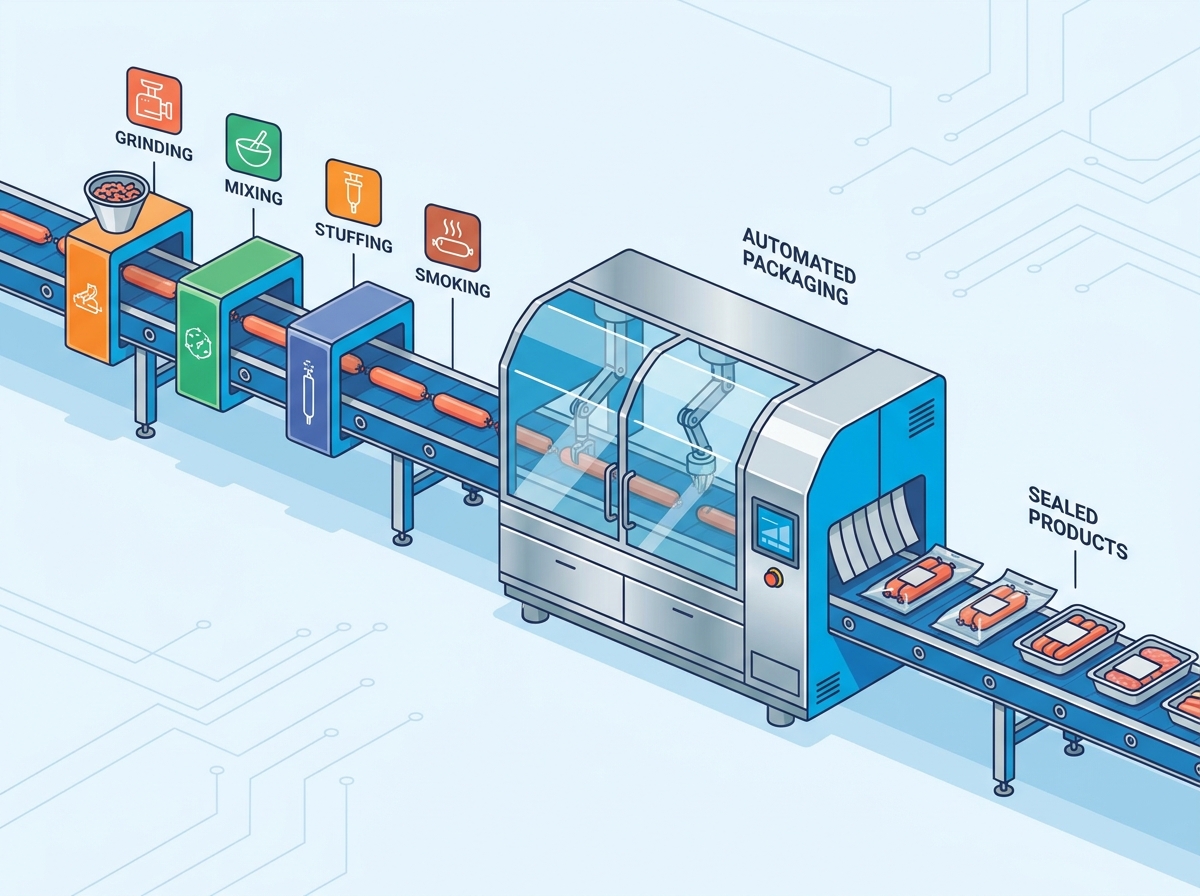
Scaling commercial sausage production requires transitioning from isolated batch tools to a cohesive, continuous processing line where every stage operates in sync. When operations grow, manual methods and standalone devices quickly show their limitations. Mismatched equipment capacities create production bottlenecks, while inadequate temperature control, poor formulation handling, and disjointed packaging integration lead to product degradation, fat smearing, and shortened shelf life.
Evaluating industrial sausage equipment requires looking beyond standalone specifications. A high-speed grinder provides little value if the downstream systems cannot handle the output. This guide breaks down the technical evaluation criteria for grinders, mixers, stuffers, smokers, drying rooms, and packaging systems to ensure throughput alignment, regulatory compliance, and maximum return on investment. Ultimately, integrating a reliable meat packaging machine is vital to preserving the quality you work so hard to achieve.
Throughput Synchronization: A profitable processing line requires matching the output capacity of your grinder, mixer, and stuffer directly to the intake speed of your meat packaging machine to prevent staging delays.
Temperature Management: Selecting equipment with cooling jackets or vacuum capabilities is critical to preventing fat rendering (smearing) during grinding and mixing.
Air Elimination: Upgrading to vacuum stuffers and vacuum-sealed packaging drastically reduces oxidation, improving both product density and retail shelf life.
Formulation Flexibility: High-quality equipment must seamlessly handle diverse proteins (pork, beef, poultry, game) and precisely incorporate binders, spices, and ice.
Sanitation & Compliance: Equipment evaluation must factor in IP69K washdown ratings, toolless disassembly, and Clean-in-Place (CIP) capabilities to minimize daily downtime.
Table of Contents
Toggle
How to Plan an Efficient Commercial Sausage Production Line
Defining what constitutes a successful equipment upgrade sets the foundation for smart purchasing decisions. Success might mean reducing labor hours per pound by a specific percentage, extending shelf life by several days, or achieving zero cross-contamination between allergen batches. Establishing clear benchmarks helps narrow down equipment choices based on actual operational needs rather than perceived features. You need to know exactly what metrics will define a win for your facility before looking at equipment catalogs.
Calculating the weakest link in a processing line is an essential step. Purchasing a high-speed linker is a wasted investment if the packaging stage cannot handle the volume. Every piece of machinery must align with the throughput of the final stage. If your meat packaging machine processes 500 pounds per hour, feeding it with a system that produces 1,000 pounds per hour creates staging delays. Staging delays leave raw meat sitting in vats, leading to temperature abuse and emulsion breakdown.
Processing Stage
Target Capacity (lbs/hr)
Potential Bottleneck Risk
Grinding
1,200
Over-grinding causes fat smearing if downstream is slow.
Mixing
1,000
Over-mixing extracts too much protein, causing rubbery texture.
Stuffing/Linking
800
Casing blowouts or linker jams halt the entire line.
Packaging
850
Slow packaging leaves raw product exposed to ambient temperatures.
Ensuring the processing line can adapt to varying ratios of lean meat to fat is also vital. The equipment must handle dense game meats versus delicate poultry with equal precision. It must also manage the precise addition of water or ice without compromising texture. Facility constraints play a major role as well. Evaluating floor space, drainage, three-phase power availability, and compressed air requirements before shortlisting equipment prevents costly installation surprises.
Floor Space: Measure the exact footprint, including the required clearance for washdown and maintenance access.
Drainage: Ensure trench drains can handle the specific gallons-per-minute output during sanitation shifts.
Power Availability: Verify you have sufficient three-phase power drops at the correct voltage for heavy-duty motors.
Compressed Air: Calculate the CFM requirements for pneumatic valves on stuffers and packaging lines.
Stage 1: Choosing Industrial Meat Grinders and Mixers
Evaluating Grinder Specifications
Analyzing plate sizes, knife configurations, and auger designs reveals how a grinder will handle different protein types. Single-cut knives work well for coarse grinds, while double-cut systems excel at finer emulsions. The auger design determines how efficiently meat moves through the housing without excessive friction. A poorly designed auger will mash the meat rather than cutting it cleanly, which destroys the particle definition required for premium sausage.
Evaluating hopper capacities, automated loaders, and safety feeding systems ensures continuous funneling without operator risk. Heavy-duty stompers or ramrods maintain a steady flow, preventing air pockets and uneven grinding. Temperature control remains a constant challenge. Continuous glycol cooling jackets provide superior protection against fat separation compared to relying solely on pre-chilled components during high-friction grinding. When grinding frozen blocks, you need a machine with a robust breaker shaft to handle the initial reduction before the meat hits the primary grinding head.
Mixers: Paddle vs. Ribbon Configurations
Comparing overlapping paddle mixers versus ribbon blenders helps determine the best fit for your product. Paddle mixers provide gentle folding, making them ideal for whole muscle products where you want to maintain visible meat chunks. Ribbon blenders offer rapid, homogenous spice distribution, which is perfect for fine emulsions like hot dogs or bologna. The geometry of the mixing arms directly impacts how quickly the salt extracts the myosin protein, which acts as the natural glue holding the sausage together.
Pulling a vacuum during the mixing stage extracts soluble proteins faster. This process improves color retention and creates a denser final product by eliminating trapped air. Commercial mixers must also handle the critical phase of adding ice, water, and binders. Proper hydration achieves the correct emulsion stability before the mixture moves to the stuffing stage. If the mixer cannot distribute the ice evenly, you will end up with fat pockets that render out during the cooking process, leaving a greasy final product.
Stage 2: Choosing Sausage Stuffers and Linking Equipment
Piston Stuffers vs. Vacuum Stuffers
The operational limits of using grinder-stuffer attachments often cause secondary fat smearing and inconsistent portioning. Investing in dedicated stuffing machines provides better control and product quality. Piston stuffers offer lower upfront costs and simplicity for small batches, making them suitable for artisan operations. They use a hydraulic cylinder to push a plate upward, forcing the meat out of the horn. However, they trap air in the cylinder, which ends up in the casing.
Vacuum stuffers provide continuous flow, exact portion control, and eliminate air pockets for commercial scale. They utilize a vane cell feed system that pulls the meat into the pumping chamber under a vacuum. By removing oxygen before the meat enters the casing, vacuum stuffers extend shelf life and improve the visual appeal of the final product. This level of precision is necessary when feeding a high-speed packaging line, as uniform link weights are required for accurate labeling and pricing.
Casing Compatibility and Linking Technology
Ensuring the stuffer's horn and linking attachments are compatible with the target casing is a fundamental requirement. Whether using natural, collagen, cellulose, or synthetic casings, the equipment must handle the material without tearing or causing blowouts. Natural hog and sheep casings require gentle handling and specific holding devices to prevent tearing, while rigid cellulose casings can handle higher stuffing pressures.
Assessing automated casing spoolers, length-portioning systems, and inline cutting attachments is necessary for efficiency. These systems precisely sever links to prepare uniform batches. Consistent product dimensions are essential for seamless integration with a commercial meat packaging machine, preventing jams and seal failures. If the linker leaves long tails or uneven cuts, the packaging machine will struggle to place the product neatly into the trays or film pockets.
Stage 3: Sausage Smoking, Cooking, Drying, and Chilling Equipment
Commercial Smokehouse Features
Evaluating programmable logic controllers ensures repeatable recipes across multiple shifts. You need a system that can automatically step through drying, smoking, cooking, and exhausting phases without manual intervention. Variable airflow systems provide consistent color development, preventing uneven smoking where sausages on the top rack look different from those on the bottom. Humidity control is equally important to prevent casing blowout and ensure proper cooking yields. If the air is too dry, the casings will shrivel; if it is too wet, the smoke will not penetrate the surface.
Drying and Fermentation Rooms
Drying rooms are essential equipment for dry and semi-dry sausages like salami and summer sausage. Balancing precise humidity reduction and airflow ensures safe moisture loss. Poor climate control causes case hardening, where the outside dries too fast, trapping internal moisture and leading to spoilage. The room must be able to drop the relative humidity in precise increments to match the water activity reduction inside the sausage. This requires sophisticated sensors and heavy-duty refrigeration coils.
Rapid Chilling Systems
The danger of slow cooling includes bacterial growth and casing wrinkling. Integrating brine chillers or blast chillers immediately post-thermal processing stabilizes the product. Rapid chilling locks in moisture and prepares the sausage for immediate transfer to the packaging area. A continuous shower system using chilled brine can drop the internal temperature of a hot dog from 160 degrees Fahrenheit to 40 degrees in minutes, stopping the cooking process dead and preserving the snap of the casing.
Stage 4: How to Choose a Meat Packaging Machine
Vacuum Packaging vs. Modified Atmosphere Packaging (MAP)
Vacuum packaging provides the longest shelf life and lowest film cost but compresses the product. This method works well for cured or smoked sausages where deformation is less of a concern. The heavy-duty barrier films block oxygen entirely, preventing rancidity in high-fat products. MAP preserves the plump, fresh appearance of raw sausage in a rigid tray using a gas flush, making it ideal for retail display. By replacing the ambient air with a specific mixture of nitrogen and carbon dioxide, MAP inhibits bacterial growth while keeping the sausage looking freshly made.
Thermoforming vs. Tray Sealing Equipment
Thermoformers offer the highest throughput and lowest per-unit material cost for high-volume producers. They use two rolls of film, heating the bottom web to form a pocket, loading the sausage, and sealing the top web over it. Tray sealers offer faster changeovers and smaller footprints for mid-sized operations running multiple SKUs. They use pre-formed trays, which cost more per unit but allow for greater flexibility in packaging shapes and sizes. Evaluating seal integrity, gas mixture precision, and automated labeling integration helps determine the best fit for your production goals.
Integration and Automation Risks
The necessity of automated loaders or buffer conveyors bridges the gap between the chilling stage and the packaging equipment. Manual handling introduces contamination risks and slows down the line. Proper integration ensures a steady flow of product into the packaging system, maximizing overall efficiency. If the linker produces 800 sausages a minute, you need a robotic pick-and-place system or a collating conveyor to load those sausages into the meat packaging machine without human hands touching the product.
Common Sausage Equipment Risks and Maintenance Needs
Maintenance, Parts, and Downtime
Cheaper upfront equipment often results in higher long-term costs due to proprietary wear parts and a lack of domestic service technicians. Complex sanitation requirements also increase daily downtime. Evaluating the availability of spare parts and the ease of cleaning helps mitigate these risks. You should look for machines that use standard off-the-shelf bearings, seals, and motors rather than custom components that take weeks to ship from overseas.
Operator Training and Safety
Evaluating the user interface of the equipment is a key risk mitigation strategy. Simpler, language-agnostic controls reduce training time and operator error in high-turnover environments. Intuitive machinery ensures consistent operation and reduces the likelihood of costly mistakes. Physical safety guards, light curtains, and emergency stop buttons must be strategically placed and rigorously tested to protect workers from moving parts and pinch points.
Conclusion
Building a commercial sausage line requires careful capacity matching, formulation handling, and temperature control. Standalone upgrades will not yield a return on investment if they create bottlenecks elsewhere in the line. Work backward from the final product to determine the required shelf life and retail presentation. Select the right packaging equipment first, calculate the necessary throughput, and size the upstream machinery accordingly.
Audit your current production bottlenecks by measuring the exact output of each machine during a peak shift.
Calculate available facility utilities, including floor space, power drops, and drainage capacity.
Request live equipment demonstrations from manufacturers using your specific product formulations.
Standardize your casing sizes and meat block temperatures before testing new linking equipment.
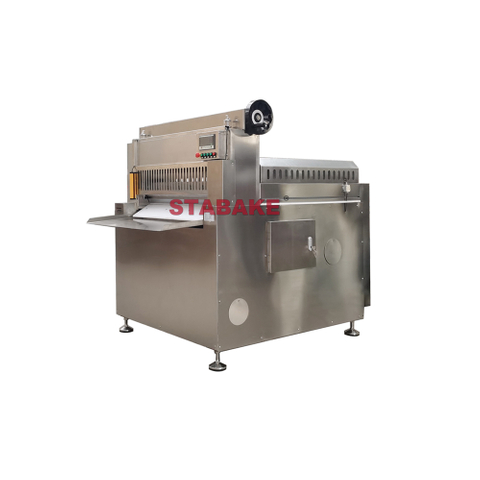
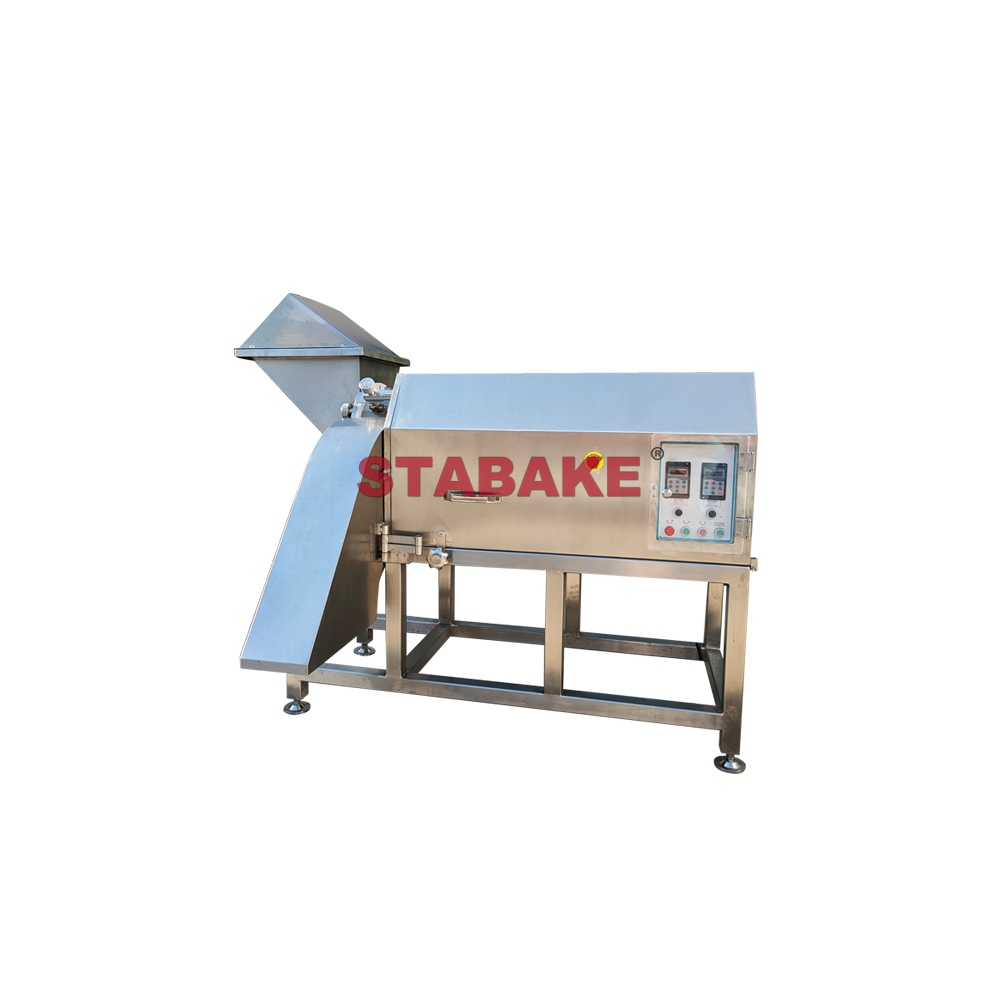
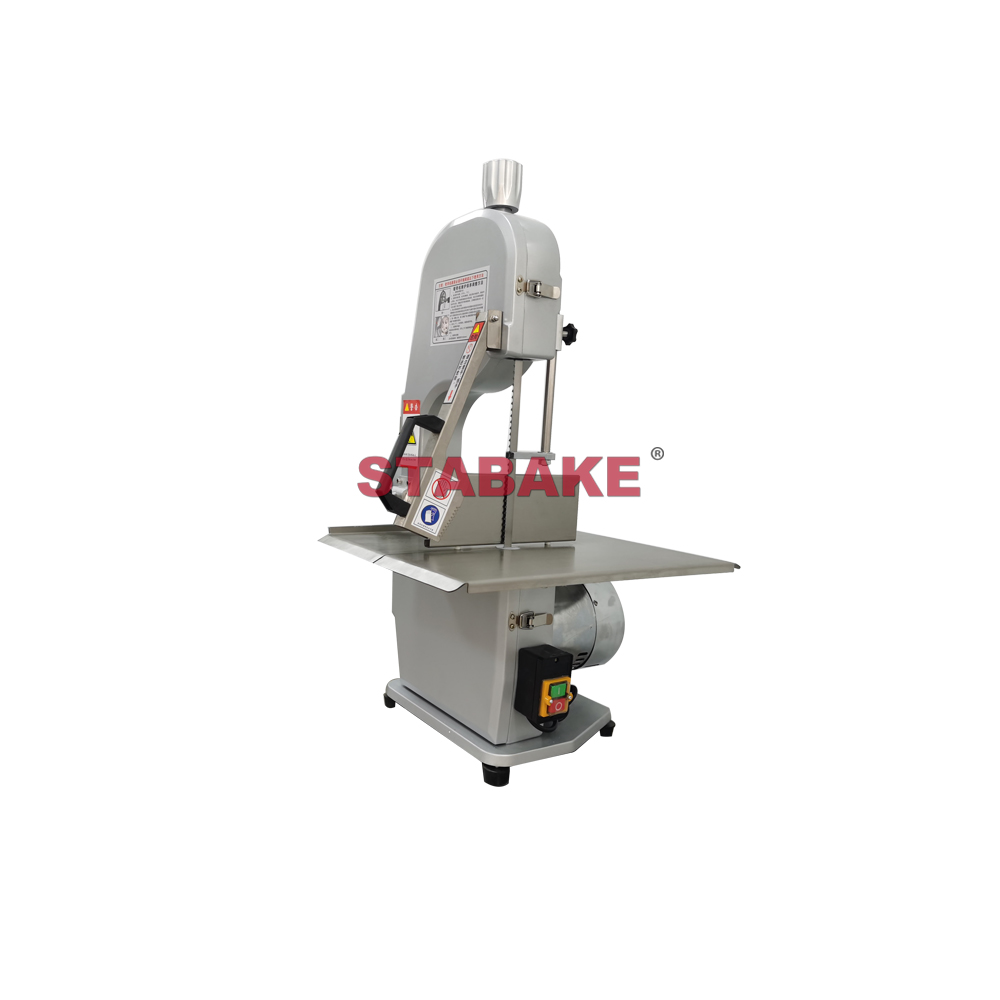
For processors planning an integrated sausage production line, Stabake is a Jinan-based food processing equipment manufacturer offering meat processing, stuffing, smoking, and food packaging machinery as individual units or complete turnkey solutions. Its support covers process design, machine selection, installation, commissioning, maintenance, and OEM or ODM customization, helping buyers coordinate upstream sausage preparation with downstream packaging requirements.
FAQ
Q: What is the best meat packaging machine for fresh sausage?
A: MAP tray sealers are excellent for retail presentation as they preserve the plump appearance using a gas flush. Rollstock thermoformers are better suited for high-volume wholesale operations, offering high throughput and lower per-unit material costs.
Q: How do you prevent fat smearing during commercial meat grinding?
A: Keep the meat near freezing and use sharp knives and plates. Utilizing commercial grinders with continuous cooling jackets provides better temperature control than relying solely on pre-chilling components.
Q: Can I use a grinder attachment to stuff sausage commercially?
A: Grinder attachments are insufficient for commercial scale. They cause secondary fat smearing, lack portion control, and have slow throughput. A dedicated stuffer is necessary to keep pace with modern packaging lines.
Q: What is the difference between a piston stuffer and a vacuum stuffer?
A: Piston stuffers are batch-based and hydraulic, suitable for smaller operations. Vacuum stuffers provide continuous, air-eliminating operation, extending shelf life and ensuring precise portion control for commercial lines.
Q: Do I need a blast chiller for sausage production?
A: Yes, rapid chilling systems like blast chillers or brine chillers prevent bacterial growth and casing wrinkling. They stabilize the product quickly, preparing it for safe and efficient packaging.