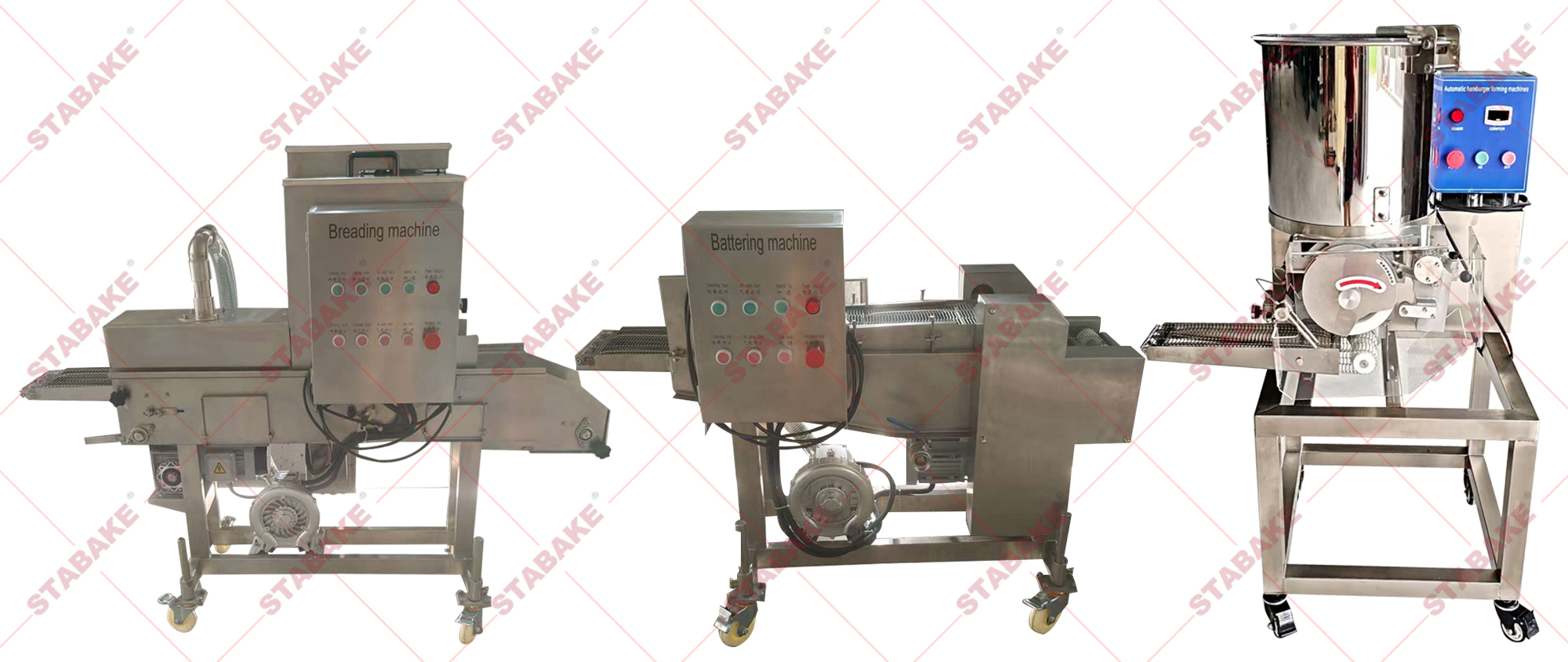
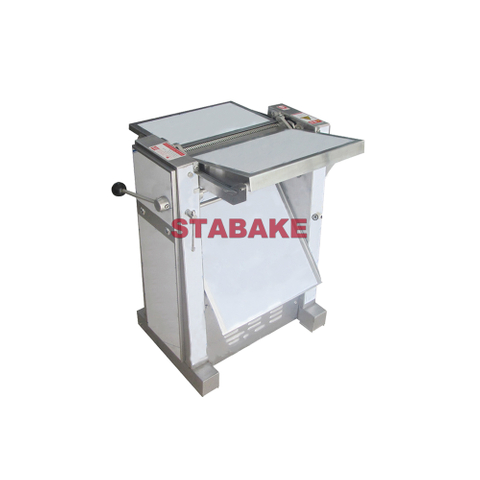
Did you know that the meat processing industry is a multi-billion dollar sector? Efficient meat processing machines are crucial for maintaining quality and safety in food production. In this article, we’ll explore the top 10 manufacturers of meat processing machines, highlighting their strengths and innovations. Discover how these companies shape the industry and enhance productivity.
Table of Contents
Toggle
Top 10 Meat Processing Machine Manufacturers
Overview of the Top Manufacturers
The meat processing industry relies heavily on specialized machinery to ensure efficiency, quality, and safety in food production. Here, we present a list of the top 10 meat processing machine manufacturers, recognized for their innovation and product quality.
Zhejiang Hongsu Industrial Co., Ltd
Established: 2012
Core Products: Meat processing machinery, playing cards, arm bags
Strengths: High-quality manufacturing, diverse product range, strong market presence.
Strengths: Focus on innovative machinery solutions for modern processing challenges.
Criteria for Ranking Manufacturers
The ranking of these manufacturers is based on several criteria:
Product Relevance: How well their products meet the industry's needs.
Certifications: Industry certifications that ensure quality and safety.
Company Activity: Overall activity and reputation within the market.
Industry Performance: Historical performance and customer satisfaction ratings.
Key Features of Meat Processing Machines
Cutting and Slicing Capabilities
Meat processing machines excel in cutting and slicing, which is crucial for producing uniform meat products. High-quality machines can handle various meat types, including beef, pork, and poultry. They often feature adjustable blades to customize thickness, ensuring consistency across batches. For example, a meat slicer can produce thin slices for deli meats or thicker cuts for steaks, catering to different culinary needs.
Advanced machines utilize precision engineering to minimize waste and maximize yield. This capability not only enhances product quality but also boosts operational efficiency. Additionally, some machines incorporate safety features to protect operators, such as automatic shut-off systems when the lid is opened.
Mixing and Blending Functions
Mixing and blending are essential for creating flavorful meat products. Meat processing machines are designed to blend meat with seasonings, fillers, and other ingredients thoroughly. This ensures a uniform distribution of flavors and textures, which is vital for products like sausages and meatballs.
Modern mixers often come equipped with variable speed settings, allowing operators to adjust mixing intensity based on the product being prepared. For instance, a high-speed mixer can quickly combine ingredients, while a slower speed may be ideal for delicate mixtures. Some machines also feature integrated scales for precise ingredient measurement, enhancing recipe accuracy and consistency.
Automation and Technology Integration
Automation is revolutionizing meat processing. Advanced machines now incorporate technology to streamline operations and improve productivity. For instance, automated systems can monitor processing parameters in real-time, adjusting settings as needed to maintain quality. This reduces the likelihood of human error and enhances overall efficiency.
Many machines now feature user-friendly interfaces, allowing operators to program specific tasks easily. This technology integration not only saves labor costs but also ensures consistent product quality. Additionally, data collection capabilities enable manufacturers to analyze production metrics, leading to continuous improvement and optimization of processes.
In summary, the key features of meat processing machines—cutting and slicing capabilities, mixing and blending functions, and automation—are vital for enhancing productivity and ensuring product quality. Investing in advanced machinery can lead to significant improvements in operational efficiency and product consistency.
Tip: When selecting a meat processing machine, prioritize features that align with your specific production needs and product types to maximize efficiency and quality.
How to Choose the Right Meat Processing Machine
Assessing Production Needs
Choosing the right meat processing machine starts with understanding your production needs. Consider the volume of meat you process daily. Are you a small butcher shop, or do you run a large-scale processing plant? The machine's capacity should match your production scale. Evaluate the types of meat you handle—beef, pork, poultry, or a mix. Different machines cater to specific meat types, so ensure compatibility.
Next, think about the variety of products you wish to create. Do you need machines for slicing, grinding, or mixing? Each function requires specialized equipment. For instance, if you focus on making sausages, a high-quality mixer and grinder are essential.
Finally, assess your budget. Advanced machines come with a higher price tag but often offer better efficiency and longevity. Weigh the initial investment against potential long-term savings in labor and waste reduction.
Evaluating Machine Specifications
Once you’ve determined your needs, dive into the machine specifications. Start by examining the processing capacity—how much meat can it handle per hour? Look for machines with adjustable settings for different types of cuts or blends. This flexibility allows you to adapt to changing demands.
Check the power consumption. Machines that are energy-efficient can save you money over time. Additionally, consider the materials used in construction. Stainless steel is preferred for its durability and hygiene.
Safety features are also crucial. Look for machines equipped with emergency shut-off switches, safety guards, and easy-to-clean designs. These features protect your workers and maintain a sanitary environment.
Understanding Maintenance and Support
Maintenance is a key factor in the longevity of your meat processing machine. Investigate the manufacturer's maintenance recommendations. Some machines require regular servicing, while others are more low-maintenance.
Check if the manufacturer offers training for your staff. Proper training ensures your team can operate the machine safely and effectively. Additionally, inquire about available customer support. A responsive support team can help troubleshoot issues quickly, minimizing downtime.
Lastly, consider warranty and service agreements. A robust warranty can save you money on repairs, while service agreements can provide peace of mind with regular maintenance checks.
Tip: Always choose a meat processing machine that aligns with your specific production needs and offers robust support to ensure smooth operations and longevity.
Benefits of Using Advanced Meat Processing Machines
Improved Efficiency and Productivity
Advanced meat processing machines significantly enhance efficiency in production lines. These machines automate repetitive tasks, reducing manual labor and minimizing human error. For instance, automated cutting machines can process large volumes of meat in a fraction of the time it would take a human. This capability allows businesses to increase their output without compromising quality.
Moreover, modern machines are designed for high-speed operations. They can handle various meat types and sizes, making them versatile for different processing needs. This adaptability means businesses can cater to diverse customer demands without investing in multiple specialized machines.
Enhanced Quality Control
Quality control is crucial in the meat processing industry. Advanced machines come equipped with precision engineering that ensures consistent cuts and blends. For example, meat slicers with adjustable blade settings allow operators to maintain uniform thickness across products, which is essential for packaging and presentation.
Additionally, many machines incorporate technology that monitors processing parameters in real time. These systems can alert operators to any deviations from set standards, allowing for immediate corrections. This proactive approach to quality control helps maintain product integrity and safety, which is vital for consumer trust.
Cost Savings in Long-Term Operations
Investing in advanced meat processing machines can lead to significant cost savings over time. Although the initial investment may be higher, the long-term benefits outweigh these costs. Automated machines reduce labor costs by minimizing the need for manual intervention. They also lower waste through precise cutting and blending, ensuring that more of the meat is utilized rather than discarded.
Furthermore, advanced machines often feature energy-efficient designs. This can result in lower utility bills, especially in high-volume processing environments. Maintenance costs may also decrease, as modern machines are built with durable materials and require less frequent servicing.
In conclusion, the benefits of using advanced meat processing machines are clear. They improve efficiency and productivity, enhance quality control, and provide cost savings in the long run. Investing in such technology not only streamlines operations but also positions businesses for success in an increasingly competitive market.
Tip: When considering meat processing machines, prioritize models with automation features to maximize efficiency and reduce labor costs.
Challenges in Meat Processing Machine Operations
Common Technical Issues
Meat processing machines are vital for efficient production, but they can face several technical challenges. One common issue is mechanical failure, often due to wear and tear from continuous use. Components like blades, motors, and gears may require regular maintenance or replacement to ensure optimal performance. It's crucial for operators to schedule routine inspections to identify potential problems before they escalate.
Another technical challenge is software malfunctions. Many modern machines rely on complex software systems for operation. Bugs or glitches can disrupt production, leading to delays. Regular software updates and maintenance checks can help mitigate these issues.
Lastly, calibration problems can arise. Machines must be calibrated correctly to ensure precise cutting, mixing, or grinding. If not properly calibrated, the quality of the final product may suffer, resulting in inconsistent sizes or textures.
Regulatory Compliance Challenges
The meat processing industry is subject to strict regulations aimed at ensuring food safety and quality. Compliance with these regulations can be a significant challenge for manufacturers. They must adhere to guidelines set by local and international food safety authorities, which often involve rigorous inspections and documentation.
Failure to comply can lead to severe penalties, including fines or shutdowns. Therefore, it’s essential for manufacturers to stay updated on changing regulations and invest in training for their staff. This ensures everyone understands the importance of compliance and the specific requirements they must meet.
Additionally, certain machines may need certifications to operate legally. Obtaining these certifications can be a lengthy process, requiring extensive testing and documentation. Manufacturers must prepare for this by maintaining thorough records of their equipment and processes.
Workforce Training and Safety
Another critical challenge in meat processing operations is workforce training. Operating meat processing machines requires specialized skills. New employees may need extensive training to understand how to use the machinery safely and effectively. This training should cover not only operational procedures but also safety protocols to prevent accidents.
Safety is paramount in meat processing environments, where machinery operates at high speeds and may involve sharp blades. Proper safety training reduces the risk of injuries, which can lead to costly downtime and impact employee morale. Companies should implement regular safety drills and training refreshers to keep safety at the forefront of their operations.
Moreover, as technology evolves, so does the need for ongoing training. Operators must be familiar with the latest advancements and updates in machinery to ensure they’re using equipment efficiently and safely.
In summary, while meat processing machines are essential for productivity, they come with challenges. Addressing common technical issues, ensuring regulatory compliance, and providing workforce training are crucial for maintaining smooth operations and high-quality production.
Tip: Regular maintenance and employee training are key to minimizing downtime and ensuring compliance in meat processing operations.
Future Trends in Meat Processing Technology
Emerging Technologies in Meat Processing Machines
The meat processing industry is undergoing a technological revolution. Innovations in machinery are enhancing efficiency, safety, and product quality. One significant trend is the integration of artificial intelligence (AI) and machine learning. These technologies enable machines to analyze processing data in real-time, optimizing operations and predicting maintenance needs. For instance, AI can adjust cutting speeds based on meat type and thickness, ensuring consistent quality.
Another emerging technology is the use of robotics. Automated systems are becoming more common in meat processing plants, handling tasks like packing, sorting, and even cutting. This not only speeds up production but also reduces the risk of human error and injury. Robotics can operate in environments that require high hygiene standards, minimizing contamination risks.
Additionally, advancements in sensor technology are transforming how meat is processed. Sensors can monitor temperature, humidity, and other critical parameters throughout the processing line. This data helps maintain optimal conditions, ensuring meat quality and safety.
Sustainability and Environmental Impact
Sustainability is a growing concern in the meat processing industry. Manufacturers are increasingly focused on reducing their environmental footprint. This includes adopting energy-efficient machines that consume less power and produce fewer emissions. For example, some companies are investing in equipment that uses renewable energy sources, such as solar or wind power.
Moreover, there is a push for machines that minimize waste. Advanced processing technologies can utilize more parts of the animal, reducing by-product waste. Innovations like water recycling systems also help in conserving resources during processing. These practices not only benefit the environment but can also lead to significant cost savings for businesses.
Companies are also exploring sustainable packaging solutions. Eco-friendly materials that reduce plastic use are gaining popularity. This shift aligns with consumer demand for more environmentally responsible products.
Market Predictions and Growth Opportunities
The meat processing machinery market is expected to grow significantly in the coming years. Factors driving this growth include rising meat consumption globally and increasing demand for processed meat products. As consumers seek convenience and quality, manufacturers must adapt their processes and equipment to meet these needs.
Emerging markets in Asia and Africa present substantial growth opportunities. As these regions develop economically, their demand for meat processing technology will rise. Companies that invest in understanding local market dynamics and consumer preferences will likely succeed.
Moreover, the trend towards automation and smart technologies will continue to shape the industry. Businesses that embrace these innovations will enhance their competitive edge. Investing in research and development will be crucial for manufacturers looking to stay ahead of the curve.
Tip: Stay informed about technological advancements in meat processing to leverage innovations that improve efficiency and sustainability in your operations.
About Stabake
As a prominent player in the food machinery sector, Stabake stands out in the meat processing market through its commitment to innovation, quality, and customer-centric solutions. The company's core strengths include:
Tailored Engineering & Customization: Stabake boasts an experienced R&D team capable of designing bespoke machinery and fully automated production lines tailored to specific processing scales, factory layouts, and unique product requirements.
Stringent Quality & Hygiene Standards: Prioritizing food safety, Stabake utilizes premium food-grade stainless steel (such as SUS304) and adheres to strict international sanitary standards. Their designs minimize cross-contamination risks and ensure effortless cleaning and maintenance.
Advanced Automation & Efficiency: By integrating smart control systems, precision sensors, and energy-efficient motors, Stabake machinery optimizes yield, ensures uniform product quality, and significantly reduces reliance on manual labor.
Comprehensive Global Support: Stabake offers an all-in-one service lifecycle—encompassing technical consultation, installation, operator training, and rapid-response after-sales support—ensuring minimal downtime and maximum operational longevity for business partners worldwide.
Conclusion
The article highlights the top 10 meat processing machine manufacturers, emphasizing their strengths and innovations. Companies like Zhejiang Hongsu and Shanghai Yuena lead the industry with high-quality machinery and advanced technology. The importance of automation, efficiency, and quality control in meat processing is underscored. Investing in reliable equipment is crucial for success. Stabake offers exceptional meat processing solutions, providing value through innovative designs and comprehensive support. Researching and investing in quality equipment can greatly enhance your production capabilities.
FAQ
Q: What is a meat processing machine?
A: A meat processing machine is specialized equipment designed to efficiently cut, grind, mix, and package meat products, ensuring quality and safety in food production.
Q: How do I choose the right meat processing machine?
A: To choose the right meat processing machine, assess your production needs, evaluate machine specifications, and consider maintenance and support options.
Q: Why invest in advanced meat processing machines?
A: Investing in advanced meat processing machines enhances efficiency, improves quality control, and leads to long-term cost savings in operations.
Q: What are common issues with meat processing machines?
A: Common issues include mechanical failures, software malfunctions, and calibration problems that can affect production efficiency and product quality.